Hey there! I’m working as a supplier of color sorting machines, and I often get asked how these nifty devices actually detect colors. So, I thought I’d take a bit of time and break it down for you in a way that’s easy to understand. Color Sorting Machine
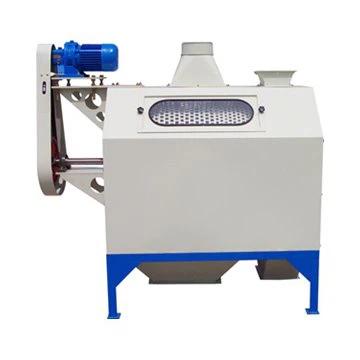
First off, let’s get a basic understanding of what a color sorting machine is for. These machines are used in a whole bunch of industries, from food processing to mining. They’re super useful for separating different colored objects or materials. For example, in the food industry, they can sort out bad or discolored nuts from the good ones, or separate different colored grains. In mining, they can help pick out valuable minerals based on their color.
Now, let’s dig into the nitty – gritty of how they detect colors. There are a few key components involved in the color detection process. The main ones are light sources, sensors, and a control system.
Light Sources
The lighting part is crucial. It’s the first step in getting the machine to "see" the colors. Different types of light sources can be used, but LED lights are pretty popular these days. They’re energy – efficient, have a long lifespan, and can be adjusted to emit specific wavelengths of light.
You see, when light shines on an object, the object absorbs some wavelengths of light and reflects others. The reflected light is what gives the object its color. For example, if an object looks red, it means it’s reflecting red light and absorbing other colors.
We can use different lighting conditions to enhance the color differences between objects. For instance, in some cases, we might use a combination of white light and near – infrared light. White light helps us detect the visible colors, while near – infrared light can reveal hidden features or differences that aren’t visible to the human eye. This is especially useful in industries like agriculture, where we can detect internal defects in fruits based on how they interact with near – infrared light.
Sensors
Once the light has illuminated the objects, the sensors come into play. There are mainly two types of sensors used in color sorting machines: CCD (Charge – Coupled Device) sensors and CMOS (Complementary Metal – Oxide – Semiconductor) sensors.
CCD Sensors
CCD sensors have been around for a while. They work by converting light into an electrical charge. When light hits the CCD, it creates an electric charge proportional to the intensity of the light. These sensors are known for their high sensitivity and good image quality. They can capture a wide range of colors accurately, which makes them great for applications where precise color sorting is required.
However, CCD sensors also have some drawbacks. They’re a bit slower compared to CMOS sensors, and they consume more power. But in situations where color accuracy is the top priority, they’re still a great choice.
CMOS Sensors
CMOS sensors are a more recent development. They’re becoming increasingly popular because they’re faster and more power – efficient than CCD sensors. They work in a similar way to CCD sensors, but instead of converting light to a charge and then transferring it, they convert the light directly into an electrical signal.
This direct conversion makes them faster at capturing images, which is a big advantage when dealing with a high volume of objects moving through the sorting machine. They’re also more cost – effective to produce, which means we can offer our color sorting machines at a more competitive price for our customers.
Both types of sensors are capable of capturing color information in multiple channels. Usually, they capture information in the red, green, and blue (RGB) channels, which are the primary colors of light. By combining the intensities of these three channels, the machine can accurately determine the color of an object.
Control System
The control system is like the brain of the color sorting machine. It takes the color information from the sensors and makes decisions about which objects to accept and which to reject.
The control system has a pre – programmed set of color standards. These standards are based on what the customer wants to sort. For example, if a food company wants to sort out red tomatoes from green ones, the control system will be set to recognize the color characteristics of red and green tomatoes.
When the sensor data comes in, the control system compares it to the pre – set color standards. If an object’s color matches the accepted standard, it will continue moving along the conveyor belt. But if the color is outside the acceptable range, the control system will trigger an ejection mechanism. This mechanism can be something as simple as a puff of air or a mechanical arm that pushes the unwanted object out of the sorting line.
Calibration and Maintenance
To ensure that the color sorting machine is working accurately, calibration is essential. Calibration is the process of adjusting the machine to make sure it’s detecting colors correctly. We usually use a set of calibration samples. These samples have known colors, and we use them to teach the machine what these colors look like.
Calibration should be done regularly, especially if there are changes in the lighting conditions or the type of objects being sorted. For example, if you start sorting a different variety of nuts with slightly different colors, you’ll need to recalibrate the machine to get accurate results.
Maintenance is also important for the long – term performance of the color sorting machine. The sensors need to be kept clean to ensure accurate color detection. Dust or debris on the sensors can interfere with the light detection process and lead to inaccurate sorting.
Real – World Applications
Let’s take a look at some real – world examples of how color sorting machines are used and how the color detection process works in these scenarios.
Food Industry
In the rice industry, color sorting machines are used to remove discolored or broken rice grains. The machine uses white light to illuminate the rice as it moves along the conveyor belt. The sensors capture the color information of each grain, and the control system compares it to the standard color of good rice. Any grains that are too dark, too light, or have an abnormal color are ejected from the sorting line.
In the coffee industry, color sorting machines can separate green coffee beans based on their color. Different colors can indicate different levels of ripeness or quality. By sorting the beans, coffee producers can ensure that they’re using only the best – quality beans for roasting.
Mining Industry
In mining, color sorting machines can help separate valuable minerals from waste rock. For example, in the diamond industry, the machines use a combination of visible light and ultraviolet light. Diamonds fluoresce under ultraviolet light, which means they emit a visible light when exposed to UV. The sensors can detect this fluorescence and distinguish diamonds from other rocks based on their color and fluorescence characteristics.
Why Choose Our Color Sorting Machines
As a supplier, we’ve put a lot of effort into making our color sorting machines top – notch. We use the latest technology in light sources, sensors, and control systems. Our machines are highly customizable, so we can adjust them to meet the specific needs of your industry and the products you’re sorting.

We also offer excellent after – sales service. Our team of experts can help you with calibration, maintenance, and any technical issues you might encounter. We understand that your business depends on the reliable performance of our machines, so we’re committed to providing you with the best support.
Rice Mill If you’re in the market for a color sorting machine, or if you just want to learn more about how our machines can benefit your business, don’t hesitate to reach out. We’d be more than happy to have a chat with you about your needs and see how we can help you improve your sorting process.
References
- "Industrial Color Sorting Technology" – A technical report on the latest advancements in color sorting technology.
- "Color Sensing in Machine Vision Systems" – A research paper discussing the principles of color detection in industrial applications.
- "Food Processing Machinery: Color Sorting" – An industry – specific guide on using color sorting machines in the food processing sector.
Jining Lingkun Machinery Equipment Co., Ltd.
As one of the most professional color sorting machine suppliers in China, we’re featured by quality products and good price. Please rest assured to wholesale bulk color sorting machine made in China here from our factory.
Address: No. 62, North of Guanyu Avenue and East of Guting Road, Binhu Street, Yutai County, Jining City, Shandong Province
E-mail: 767327642@qq.com
WebSite: https://www.lkricemac.com/
