Hey there, it’s [Your Company Name] here—your go-to limestone powder supplier, and today we’re talking about something we don’t always cover as much as we should: protecting yourself from inhaling our product. Wait, hold up before you skip this—this isn’t some sales pitch, I promise. For anyone who works with limestone powder (whether you’re loading it, mixing it, or hauling it), we know dust is just part of the job, but that doesn’t mean we have to brush off the risks. I’ve been around this industry for over a decade, and I’ve seen way too many folks skip the small safety steps because they think “it’s just rock dust.” Spoiler: it’s not just rock dust, and your lungs deserve better. Let’s break this down like we chat in the warehouse—no fancy jargon, just real, actionable tips that actually work. Limestone Powder
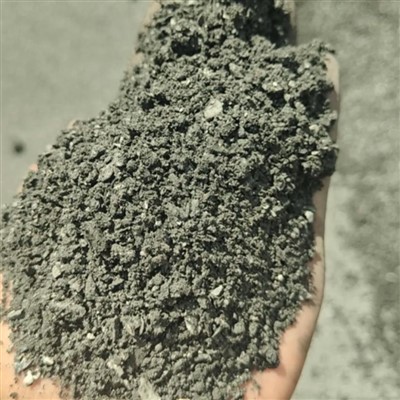
First, let’s get one thing straight: what even is limestone powder, and why is inhaling it a big deal? Limestone is mostly calcium carbonate, right? When it’s ground into fine powder, those tiny particles get super light—so light they float in the air for hours. When you breathe them in, the smallest ones (we’re talking less than 10 microns, that’s way smaller than a grain of sand) can go deep into your lungs, past your nose and throat. Over time, repeated exposure can lead to stuff like silicosis? Wait no, wait—hold on, limestone doesn’t have much silica, but it can cause another issue: pneumoconiosis, specifically calcareous pneumoconiosis, and even just short-term exposure can trigger asthma, coughing fits, or irritated sinuses. I’ve had a new loader come in after his first week on the job, sounding like he’s got a permanent cold, and that’s from not wearing the right gear for 10 hours a day. It’s not a scare tactic—it’s the truth we need to talk about.
Now, let’s get to the good part: how to actually protect yourself, starting with the stuff you can do before you even touch the powder. Wait, no—first, your workspace matters most. If you’re in a place where limestone powder is getting moved (like a transfer station, a mixing area, or a bagging line), dust control shouldn’t be an afterthought. At our warehouse, we used to just crack open the bay doors and hope wind would help—bad move. Now, we’ve got local exhaust ventilation (LEV) points right where the dust is generated: when we dump bulk powder into hoppers, there’s a hood pulling the dust straight into a filter system, not letting it billow into the air. If you’re working in a smaller space without fancy vents, even a cheap box fan pointed at an open window can help push that dusty air out. Pro tip: don’t stand directly in the path of dust being moved—if you’re bagging powder, keep your body to the side, not right in front of the spout. That’s a tiny shift that makes a huge difference.
Next up, the gear you wear—this is non-negotiable, and I say that as someone who’s rolled his eyes at “required PPE” before (guilty as charged, once, when I was 22 and thought I was invincible). Not all masks are created equal here. A regular cloth mask? A surgery mask? Those do basically nothing for fine limestone dust. We recommend N95 respirators—make sure they’re the actual NIOSH-approved ones, not the cheap knockoffs you grab at the gas station. Wait, even better: if you’re going to be around dust for 8+ hours a day, go for the N95 with a valve. The valve lets you breathe out easier, so you don’t feel like you’re suffocating by lunch, and it still blocks those tiny particles. But here’s the thing about masks: they only work if they fit right. If you’ve got a beard, a gap between your face and the mask, or you’re yanking it down to talk to a coworker every five minutes, it’s useless. We do fit tests every quarter here, and I swear, it’s made a difference. Some guys hated it at first, but now they won’t work a shift without their properly fitted N95.
Then there’s eye and skin protection—don’t sleep on this, either. Limestone dust can dry out and irritate your eyes, and if you rub your eyes with dusty hands, that’s a recipe for irritation (or worse, if you get dust in a cut on your hands). Safety goggles, not just glasses—glasses have gaps on the sides, goggles seal tight. And if you’re in a spot with a lot of dust that’s swirling around, maybe even a face shield over the goggles for extra protection. For skin, long sleeves and pants—simple as that. Dust can settle on your arms and neck all day, so shower at the end of your shift, don’t just wipe your face with a dirty rag. I’ve seen guys who skip showering get rashes on their arms from all that dust building up, and that’s totally preventable.
Wait, let’s talk about common mistakes people make that put them at risk. First, “I only work with this once a week, so I don’t need gear.” No. Even a single exposure to a cloud of fine limestone dust can irritate your lungs, and repeated small exposures add up. I know a guy who’s in construction, only uses limestone powder for concrete finishes once a month, and now he gets wheezy every time he’s around it because he skipped a mask once and had a bad reaction that stuck. Second, “I’ll just wear a dust mask from the hardware store.” 9 times out of 10, those are for sawdust or drywall dust, and they don’t block the tiny limestone particles. Save that for your home projects, not the job. Third, not cleaning your gear. If you wear a respirator, you need to clean it every day—take the filters out, brush off any dust on the outside, don’t store it in a dusty toolbox. I’ve had a guy use the same filter for two weeks straight, and it was so caked with dust it was basically useless. Replace filters as often as the instructions say—don’t wait until you can’t breathe through it anymore.
As a limestone powder supplier, we’re not just here to sell you product—we’re here to help you keep your team safe. That’s why at [Your Company Name], we give every new customer a free guide on dust safety, plus we offer on-site consultations for small businesses that might not know where to start with ventilation. We also stock high-quality, NIOSH-approved respirators and dust filters at a discount for our regular clients—because we care about more than just making a sale. If you’re a contractor, a plant manager, or someone who works with limestone powder regularly, don’t hesitate to reach out. We can even set up a time to walk through your workspace and point out where the dust is coming from, so you can make small changes that make a big difference.
Wait, one more quick tip that’s easy to forget: after your shift, change your clothes before you go home. If you drive home in your dusty work clothes, all that dust is going to get on your car seats, your couch, your kid’s carpet—exposing your family too. I heard a story a few years back from a customer whose kid was having asthma attacks, and it turned out all the dust on his work clothes was getting into the house. So even if you’re exhausted, throw your work gear in the laundry before you sit down. That’s a small step that protects not just you, but the people you love.
Let’s wrap this up with the most important thing: this isn’t about being scared. It’s about being smart. Limestone powder is a valuable product—used in concrete, agriculture, water treatment, even toothpaste, for crying out loud. We don’t want anyone to have to stop working with it because they got hurt. The steps I’ve laid out? They’re not hard, they don’t cost a fortune, and they’re totally doable. At [Your Company Name], we’ve got your back—whether you need to bulk order limestone powder, stock up on safety gear, or just ask a question about how to handle dust in your space, we’re here to help. Just reach out to our sales team whenever you’re ready to chat procurement or safety tips.
Wait, let me fact-check that last part about the lung stuff, just to make sure I’m not spreading wrong info. Yeah, OSHA says that inhaling limestone dust over time can cause chronic lung issues, and even acute exposure can cause irritation. That’s right. And the ventilation stuff—local exhaust ventilation is the gold standard for dust control, no question. The mask fit thing is also key; OSHA requires fit tests for respirator use in workplaces with hazardous dust, so that’s not just a random tip. I’ve seen too many places cut corners here, and it’s never worth it.
Another thing: if you start noticing symptoms—cough that won’t go away, shortness of breath, chest tightness—don’t brush it off. Go see a doctor, and let them know you work with limestone powder. Early detection is everything, and catching issues before they turn into something serious is way better than dealing with it later. I had a customer a couple years back who ignored his cough for months, and by the time he went to the doctor, he had early-stage pneumoconiosis. He was lucky, because they caught it early, but he had to adjust his role to desk work after years on the loading dock. That’s the kind of thing we want to help prevent.
At the end of the day, this is a community thing. We’re all in this together—suppliers, contractors, workers. No one wants to see someone get hurt on the job, especially over something as avoidable as dust exposure. So take these tips to heart, check your gear, make sure your workspace is set up to keep dust contained, and if you ever need anything from us—whether it’s limestone powder for your project, safety products at a fair price, or just advice—hit us up. We’re here to make this work safer for everyone.
Synthetic Alkali Powder References:
- Occupational Safety and Health Administration (OSHA). Safety and Health Topics: Respiratory Protection.
- National Institute for Occupational Safety and Health (NIOSH). Limestone Dust: Health Effects and Occupational Exposure Limits.
- American Conference of Governmental Industrial Hygienists (ACGIH). Industrial Ventilation: A Manual of Recommended Practice.
Chaohu Jirun Energy Conservation and Environmental Protection Technology Co., Ltd.
We’re well-known as one of the leading limestone powder manufacturers and suppliers in China, also support customized service. Welcome to wholesale high quality limestone powder in stock here from our factory. If you have any enquiry about pricelist, please feel free to email us.
Address: No. 9, north of the intersection of Weihai Road and Weili Avenue, within the industrial park of Yinping Town, Chaohu City, Hefei City, Anhui Province.
E-mail: 13305654485@163.com
WebSite: https://www.chaohujirun.com/
