What are the training requirements for operating SWRO equipment?
As a supplier of SWRO & BWRO equipment, I’ve witnessed firsthand the significance of proper training for operating Seawater Reverse Osmosis (SWRO) equipment. SWRO is a complex and sophisticated technology used to convert seawater into fresh, potable water. It plays a crucial role in various industries and regions facing water scarcity. However, without appropriate training, operators may struggle to maintain the equipment efficiently, leading to reduced performance, increased costs, and potential system failures. In this blog, I’ll delve into the key training requirements for operating SWRO equipment. SWRO & BWRO Equipment
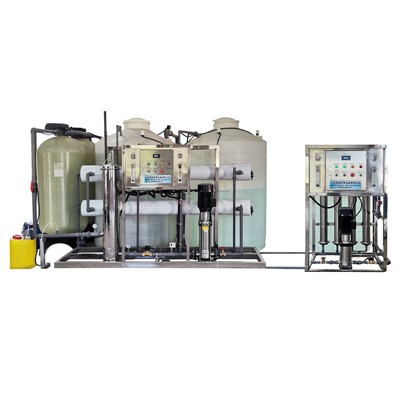
Understanding the Basics of SWRO Technology
The first step in training operators is to provide a comprehensive understanding of the SWRO technology. This includes the principles of reverse osmosis, the components of an SWRO system, and how they interact with each other. Operators need to know how water is pre – treated before entering the reverse osmosis membranes, how the pressure is applied to force water through the membranes, and how the by – product, brine, is managed.
Operators should learn about the different types of membranes used in SWRO systems, such as thin – film composite membranes. They should understand the characteristics of these membranes, including their rejection rates, flow rates, and fouling susceptibility. Additionally, they need to be familiar with the pre – treatment processes like filtration, ultrafiltration, and chemical dosing. These processes are essential for protecting the membranes from fouling, scaling, and biological growth, which can significantly reduce the efficiency and lifespan of the membranes.
Equipment and System Familiarization
Once the operators have grasped the basic technology, they need to be familiarized with the specific SWRO equipment in their plant. This involves hands – on training on the operation of various components, such as pumps, valves, pressure vessels, and control systems.
Pumps are a critical part of an SWRO system as they are responsible for providing the high pressure required for reverse osmosis. Operators should be trained on how to start, stop, and monitor the pumps. They need to understand the pump’s performance curves, how to adjust the flow rate and pressure, and how to recognize signs of pump failure.
Valves are used to control the flow of water and chemicals within the system. Operators should know how to open, close, and adjust different types of valves, such as gate valves, globe valves, and solenoid valves. They also need to understand the role of each valve in the overall process and how to troubleshoot valve – related issues.
Pressure vessels house the reverse osmosis membranes. Operators should learn how to install, remove, and inspect the membranes safely. They need to understand the proper torque values for tightening the vessel end caps and how to prevent membrane damage during maintenance.
Control systems are used to monitor and regulate the operation of the SWRO system. Operators should be trained on how to use the control panels, read the system data, and set the appropriate control parameters. They need to be able to interpret system alarms and take corrective actions promptly.
Water Quality Monitoring and Analysis
Water quality monitoring is a vital aspect of SWRO system operation. Operators should be trained on how to collect water samples from different points in the system, including the feed water, permeate (product water), and brine. They need to understand the different water quality parameters that are important for SWRO operation, such as salinity, pH, turbidity, and total organic carbon (TOC).
Salinity is a key parameter as it directly affects the performance of the reverse osmosis membranes. Operators should learn how to measure salinity using conductivity meters or other appropriate instruments. They need to understand the relationship between salinity and the rejection rate of the membranes and how to adjust the system operation based on the salinity of the feed water.
pH is another important parameter as it can affect the solubility of minerals and the tendency of the membranes to foul. Operators should be able to measure the pH of the water using pH meters and know how to adjust the pH through chemical dosing.
Turbidity is a measure of the cloudiness of the water and is an indicator of the presence of suspended solids. High turbidity can cause fouling of the membranes, so operators should know how to measure turbidity using turbidity meters and how to ensure that the pre – treatment processes are effectively removing the suspended solids.
TOC represents the amount of organic matter in the water. Organic matter can cause biofouling of the membranes, so operators should be trained on how to measure TOC and how to manage the organic load in the feed water through pre – treatment and chemical disinfection.
System Maintenance and Troubleshooting
Regular maintenance is essential for the long – term performance of SWRO equipment. Operators should be trained on the maintenance schedules and procedures for different components of the system. This includes membrane cleaning, pump maintenance, valve lubrication, and filter replacement.
Membrane cleaning is a critical maintenance task. Operators need to understand the different types of membrane fouling, such as biological fouling, scaling fouling, and particulate fouling. They should learn how to select the appropriate cleaning chemicals and procedures based on the type of fouling. They also need to know how to perform the cleaning process safely and effectively, including the proper mixing of chemicals, the flow rate and pressure during cleaning, and the disposal of the cleaning waste.
Pump maintenance involves checking the pump oil level, inspecting the pump seals, and monitoring the pump vibration. Operators should know how to perform these maintenance tasks and how to identify and address pump – related problems, such as cavitation and leakage.
Valve lubrication is necessary to ensure smooth operation of the valves. Operators should be trained on how to lubricate different types of valves and how to detect and repair valve leaks.
Filter replacement is an important part of the pre – treatment process. Operators need to know when to replace the filters based on the pressure drop across the filters and how to install the new filters correctly.
In addition to regular maintenance, operators should be trained on troubleshooting techniques. They need to be able to identify common problems in the SWRO system, such as low permeate flow, high salinity in the permeate, and abnormal pressure readings. They should learn how to diagnose the root cause of these problems and take appropriate corrective actions.
Safety Training
Safety is of utmost importance when operating SWRO equipment. Operators should receive comprehensive safety training on the potential hazards associated with the equipment and the system. This includes chemical hazards, electrical hazards, and mechanical hazards.
Chemical hazards are associated with the use of chemicals in the pre – treatment and membrane cleaning processes. Operators should learn about the proper handling, storage, and disposal of chemicals. They need to know how to wear the appropriate personal protective equipment (PPE), such as gloves, goggles, and respirators, when working with chemicals.
Electrical hazards are present in the control systems, pumps, and other electrical components of the SWRO system. Operators should be trained on electrical safety procedures, such as how to lock out/tag out electrical equipment during maintenance, how to identify and avoid electrical shock hazards, and how to use electrical testing equipment safely.
Mechanical hazards are related to the moving parts of the pumps, valves, and other equipment. Operators should know how to avoid contact with moving parts, how to use mechanical safety guards properly, and how to perform maintenance on mechanical components safely.
Environmental and Regulatory Compliance
Finally, operators should be educated on environmental and regulatory compliance issues related to SWRO operation. This includes understanding the discharge regulations for the brine, the proper management of chemical waste, and the requirements for water quality reporting.
Brine discharge can have an impact on the marine environment. Operators need to know the local regulations regarding the concentration, temperature, and location of brine discharge. They should learn how to manage the brine disposal to minimize the environmental impact, such as through dilution or brine treatment.
Chemical waste management is also an important aspect of environmental compliance. Operators should know how to store and dispose of chemical waste in accordance with the local regulations. They need to understand the proper procedures for handling and transporting chemical waste and how to keep accurate records of chemical usage and waste disposal.
Water quality reporting is often required by regulatory authorities. Operators should be trained on how to collect and analyze water samples, how to prepare water quality reports, and how to submit the reports to the appropriate regulatory agencies in a timely manner.
In conclusion, proper training for operating SWRO equipment is essential for ensuring the efficient, reliable, and safe operation of the system. By providing comprehensive training in the areas of technology understanding, equipment familiarization, water quality monitoring, maintenance and troubleshooting, safety, and environmental compliance, operators can become proficient in operating SWRO equipment and contribute to the long – term success of the water treatment plant.
If you’re in the market for high – quality SWRO & BWRO equipment and are interested in learning more about our training programs, we invite you to get in touch with us. We’d be happy to discuss your specific requirements, provide further information on our products, and engage in a meaningful procurement discussion.
References
RO Purified Water Equipment AWWA. (2018). Water Quality and Treatment: A Handbook of Community Water Supplies. McGraw – Hill.
Crittenden, J. C., Trussell, R. R., Hand, D. W., Howe, K. J., & Tchobanoglous, G. (2012). MWH’s Water Treatment: Principles and Design. Wiley.
American Membrane Technology Association (AMTA). Best Practices for Reverse Osmosis and Nanofiltration.
Shandong Yanuo Environmental Protection Equipment Co., Ltd.
We’re well-known as one of the leading swro & bwro equipment manufacturers and suppliers in China, featured by quality products and good price. Please rest assured to buy bulk swro & bwro equipment made in China here from our factory. Customized orders are welcome.
Address: North Side of the Road, 1,000 Meters West of the Intersection of Fenghuangshan West Road and Provincial Highway S102, Wangfu Subdistrict, Qingzhou City, Weifang City, Shandong Province.
E-mail: ynhb.499973983@gmail.com
WebSite: https://www.zkyaruo.com/
