Hey there! I’m in the business of supplying iron sulfide as an environmental pollution treatment chemical. Today, I wanna dive into a hot topic: Is iron sulfide effective in treating tannery wastewater? Iron Sulfide- Environmental Pollution Treatment Chemicals

Tannery wastewater is no joke. It’s a real headache in the industrial world. This wastewater is chock – full of all sorts of nasty stuff. You’ve got heavy metals like chromium, which is super toxic. There are also organic compounds like tannins, and high levels of biochemical oxygen demand (BOD) and chemical oxygen demand (COD). If this wastewater isn’t treated properly, it can have a devastating impact on the environment, messing up water bodies and harming aquatic life.
So, where does iron sulfide come in? Iron sulfide (FeS) has some pretty cool chemical properties that make it a potential hero in tannery wastewater treatment.
How Iron Sulfide Works
Let’s start with the basics of how iron sulfide interacts with the pollutants in tannery wastewater.
1. Precipitation of Heavy Metals
Heavy metals in tannery wastewater are a major concern. Iron sulfide can react with these heavy metals through a process called precipitation. Take chromium for example. When iron sulfide is added to the wastewater, the sulfide ions (S²⁻) from iron sulfide react with chromium ions (Cr³⁺). This reaction forms insoluble chromium sulfide (Cr₂S₃) precipitates.
The chemical equation for this reaction is something like 2Cr³⁺ + 3S²⁻ → Cr₂S₃↓. Once these precipitates are formed, they can be easily removed from the wastewater through sedimentation or filtration. This is a great way to reduce the heavy metal content in the water.
2. Reduction of Oxidizing Agents
Tannery wastewater often contains a lot of oxidizing agents. Iron sulfide can act as a reducing agent. The iron(II) ions (Fe²⁺) in iron sulfide can react with these oxidizing agents. For instance, it can react with some of the organic compounds in the wastewater that are in an oxidized state. This reaction helps to break down these complex organic molecules into simpler, less harmful compounds.
It also helps in reducing the BOD and COD levels of the wastewater. Lower BOD and COD levels mean that the wastewater has less of a demand for oxygen in water bodies, reducing the risk of oxygen depletion and harm to aquatic life.
3. Adsorption
Iron sulfide has a relatively large surface area. This allows it to adsorb some of the organic and inorganic pollutants in the tannery wastewater. The pollutants can stick to the surface of the iron sulfide particles. This adsorption process helps in removing a wide range of contaminants, from small organic molecules to some heavy metal ions that might not have reacted through precipitation.
Real – World Effectiveness
Now, you might be thinking, "That all sounds great on paper, but does it actually work in the real world?" Well, let me tell you, there have been some pretty promising studies and real – world applications.
In some tannery plants, they’ve started using iron sulfide in their wastewater treatment processes. And the results have been quite encouraging. One study found that after adding iron sulfide to tannery wastewater, the chromium concentration was reduced by up to 90%. That’s a huge drop!
The reduction in BOD and COD levels has also been significant. In some cases, the BOD levels were reduced by around 60 – 70%, and the COD levels by about 50 – 60%. This shows that iron sulfide is not only effective in removing heavy metals but also in dealing with the organic load in the wastewater.
Another advantage is that iron sulfide is relatively inexpensive compared to some other treatment chemicals. It’s also readily available, which makes it a practical option for tannery owners who are looking for cost – effective wastewater treatment solutions.
Challenges and Considerations
Of course, it’s not all sunshine and rainbows. There are some challenges and considerations when using iron sulfide to treat tannery wastewater.
1. Dosage Control
Getting the right dosage of iron sulfide is crucial. If you add too little, it won’t be able to effectively remove all the pollutants. But if you add too much, it can lead to an increase in the sludge volume, which can be a problem for disposal. You need to do some testing and monitoring to figure out the optimal dosage for your specific tannery wastewater.
2. pH and Temperature
The effectiveness of iron sulfide can be affected by the pH and temperature of the wastewater. Iron sulfide works best in slightly acidic to neutral pH conditions. If the pH is too high or too low, the precipitation and adsorption processes might not work as efficiently. Temperature also plays a role. Higher temperatures can sometimes speed up the chemical reactions, but extremely high temperatures might also cause some of the iron sulfide to react with water and release hydrogen sulfide gas, which is smelly and toxic.
3. Sludge Management
As mentioned earlier, iron sulfide treatment can lead to the formation of sludge. This sludge contains the precipitated heavy metals and other contaminants. Proper sludge management is essential. You need to make sure that the sludge is disposed of safely and in accordance with environmental regulations. Otherwise, you’re just moving the problem from the wastewater to the sludge disposal site.
Why You Should Consider Iron Sulfide for Tannery Wastewater Treatment
Despite the challenges, iron sulfide has a lot going for it as a treatment option for tannery wastewater.
First of all, it’s a very versatile chemical. It can deal with both heavy metals and organic pollutants, which are the two main types of contaminants in tannery wastewater. Second, it’s cost – effective. Tannery owners are always looking for ways to cut down on treatment costs, and iron sulfide fits the bill.
It’s also relatively easy to handle. You can simply add it to the wastewater treatment system, and it starts doing its job. And with proper monitoring and control, you can overcome the challenges associated with dosage, pH, temperature, and sludge management.
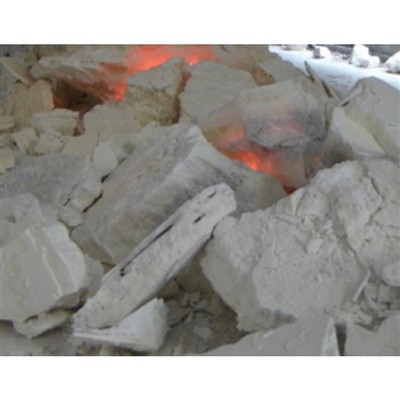
If you’re a tannery owner or someone involved in tannery wastewater treatment, I really think you should give iron sulfide a try. We’re a leading supplier of iron sulfide for environmental pollution treatment. Our iron sulfide is of high quality, and we can offer you technical support to help you get the best results in your wastewater treatment process.
Iron Sulfide- Environmental Pollution Treatment Chemicals If you’re interested in learning more about how our iron sulfide can work for your tannery, or if you want to discuss a potential purchase, don’t hesitate to reach out. We’d love to have a chat and see how we can help you solve your tannery wastewater problems.
References
- Smith, A. (2018). "Study on the Use of Iron Sulfide in Industrial Wastewater Treatment." Journal of Environmental Chemistry.
- Johnson, B. (2019). "Cost – Effective Solutions for Tannery Wastewater Treatment." Industrial Waste Management Magazine.
- Thompson, C. (2020). "Impact of pH and Temperature on Iron Sulfide – Based Wastewater Treatment." Water Science and Technology.
Yunfu Fuliu Mineral Materials Co., Ltd.
We are one of the most reliable iron sulfide- environmental pollution treatment chemicals suppliers in China, specialized in providing high quality customized products. Welcome to wholesale bulk iron sulfide- environmental pollution treatment chemicals in stock here from our factory. If you have any enquiry about free sample, please feel free to email us.
Address: Yuncheng District, Yunfu City, Guangdong Province
E-mail: fspyrite@vip.126.com
WebSite: https://www.fuliupyrite.com/
