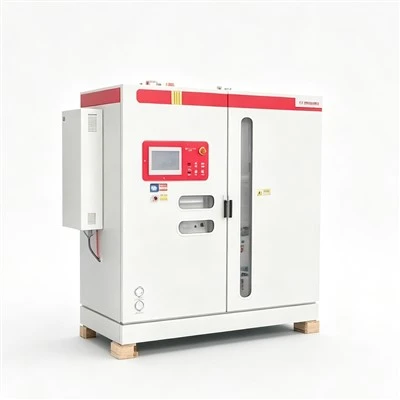
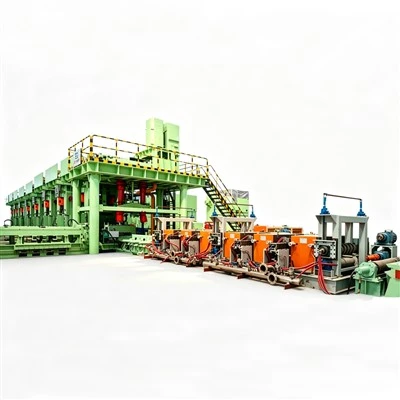
As a supplier of steel plate induction heating production lines, I often encounter inquiries about various aspects of our equipment, and one question that comes up quite frequently is about the noise levels associated with these production lines. In this blog post, I’ll delve into the noise levels of a steel plate induction heating production line, exploring the factors that contribute to it, the typical noise ranges, and how we address noise – related concerns. Steel Plate Induction Heating Production Line
Factors Affecting Noise Levels in a Steel Plate Induction Heating Production Line
Induction Heating System Itself
The core of the steel plate induction heating production line is the induction heating system. When the alternating current passes through the induction coil, it generates a rapidly changing magnetic field. This magnetic field in turn induces eddy currents in the steel plate, resulting in heating. The interaction between the magnetic field and the electrical components can produce some electrical noise.
The high – frequency inverters used in the induction heating system are also a source of noise. These inverters convert the input power supply into the high – frequency power required for induction heating. The high – speed switching of semiconductor devices within the inverters, such as insulated – gate bipolar transistors (IGBTs), can generate electrical noise, which is often in the form of a high – pitched whine.
Cooling Systems
Induction heating generates a significant amount of heat, and cooling systems are essential to maintain the proper operation of the equipment. There are two main types of cooling systems commonly used in steel plate induction heating production lines: water – cooling and air – cooling.
Water – cooling systems usually involve pumps to circulate the cooling water. The mechanical operation of the pumps can produce noise. The flow of water through pipes and valves can also create a gurgling or hissing sound, especially if there are any restrictions or irregularities in the piping system.
Air – cooling systems, on the other hand, rely on fans to cool the electrical components and the induction coils. The rotation of the fan blades creates aerodynamic noise. The speed of the fans is directly related to the noise level; higher – speed fans generally produce more noise.
Conveyor Systems
In a steel plate induction heating production line, conveyor systems are used to transport the steel plates through the heating process. The movement of the conveyor belts, the rotation of the rollers, and the interaction between the steel plates and the conveyor components all contribute to the noise.
The mechanical friction between the conveyor belts and the rollers, as well as the vibration caused by the weight and movement of the steel plates, can generate a rumbling or rattling noise. If the conveyor system is not properly maintained, with loose parts or misaligned components, the noise level can increase significantly.
Typical Noise Ranges
The noise levels of a steel plate induction heating production line can vary depending on the specific design, size, and operating parameters of the equipment. In general, the noise levels at the operator’s position can range from around 70 decibels (dB) to 90 dB.
At the lower end of the range (around 70 dB), the noise is relatively tolerable and is similar to the noise level in a busy office environment. This might be achieved in a well – designed and maintained production line, where noise – reducing measures are in place.
As the noise level approaches 90 dB, it becomes more noticeable and can be considered quite noisy. Prolonged exposure to noise levels above 85 dB can cause hearing damage, so it’s important to take appropriate measures to protect the operators.
Measuring and Monitoring Noise Levels
To ensure that the noise levels of our steel plate induction heating production lines comply with relevant safety standards, we conduct regular noise measurements during the manufacturing and testing processes.
We use professional sound level meters to measure the noise levels at different positions around the production line, including the operator’s station, the area around the induction heating system, and near the cooling and conveyor systems. These measurements are taken under normal operating conditions to provide an accurate representation of the noise levels in a real – world scenario.
By continuously monitoring the noise levels, we can identify any potential issues or areas where noise – reduction measures may be needed. For example, if the noise level at a particular location is found to be higher than expected, we can investigate the source of the noise and take corrective actions, such as adjusting the operating parameters of the equipment, or adding additional noise – insulation materials.
Addressing Noise – Related Concerns
As a responsible supplier, we understand the importance of addressing the noise – related concerns of our customers. Here are some of the measures we take to reduce the noise levels of our steel plate induction heating production lines:
Advanced Design and Engineering
We invest in advanced design and engineering techniques to minimize the noise generated by the induction heating system. This includes optimizing the layout of the electrical components to reduce electromagnetic interference and using high – quality, low – noise semiconductor devices in the inverters.
For the cooling systems, we select pumps and fans with low – noise characteristics. We also design the piping and ducting systems to minimize the flow – induced noise. For example, we use smooth – walled pipes and proper bends to reduce the turbulence of the water or air flow.
Noise – Insulation Materials
We incorporate noise – insulation materials in the construction of the production line. These materials can absorb and dampen the noise, preventing it from spreading to the surrounding environment. For example, we use acoustic panels around the induction heating system and the cooling units to reduce the noise radiation.
Maintenance and Service
Regular maintenance and service are crucial for keeping the noise levels of the production line under control. We provide our customers with detailed maintenance manuals and offer on – site maintenance services. By ensuring that all the components are properly lubricated, tightened, and aligned, we can reduce the mechanical noise caused by friction and vibration.
Importance of Noise Control
Controlling the noise levels of a steel plate induction heating production line is not only important for the comfort of the operators but also for the overall safety and productivity of the workplace.
Excessive noise can cause distractions and fatigue among the operators, which can lead to reduced productivity and an increased risk of accidents. Moreover, long – term exposure to high noise levels can cause permanent hearing damage, which is a serious occupational health issue.
In addition, many countries and regions have strict regulations regarding workplace noise levels. By ensuring that our production lines meet these regulations, we help our customers avoid potential legal issues and fines.
Contact Us for More Information
If you are considering purchasing a steel plate induction heating production line and have concerns about the noise levels or any other aspects of the equipment, we are here to help. Our team of experts has extensive experience in designing and manufacturing low – noise induction heating production lines.
We can provide you with detailed information about the noise levels of our products, as well as the noise – reducing measures we have implemented. We can also customize the production line according to your specific requirements, ensuring that it meets the noise standards of your workplace.
Induction Heating Power Supply Don’t hesitate to contact us for a consultation. We look forward to discussing your needs and providing you with the best solutions for your steel plate induction heating requirements.
References
- "Industrial Noise Control and Acoustics" by Clarence W. Harris.
- "Handbook of Noise Measurement" by GenRad, Inc.
- Technical reports on induction heating systems from industry – leading associations.
Hebei Yuantuo Electromechanical Equipment Manufacturing Co., Ltd.
As one of the most professional manufacturers and suppliers of steel plate induction heating production line in China, our products have good reputation in the market. Please rest assured to buy advanced equipment made in China here and get quotation from our factory. Customized orders are welcome.
Address: Yanshan Street West and Jialingjiang Road North, Economic and Technological Development Zone, Wuqiao County, Cangzhou City, Hebei Province, China
E-mail: yuantuotech01@gmail.com
WebSite: https://www.yuantuoem.com/
