Hey there! As a supplier of twin-screw extruders, I know how important it is to keep an eye on the operation status of these machines. In this blog, I’m gonna share some tips on how you can effectively monitor the operation status of a twin-screw extruder. Twin-screw Extruder
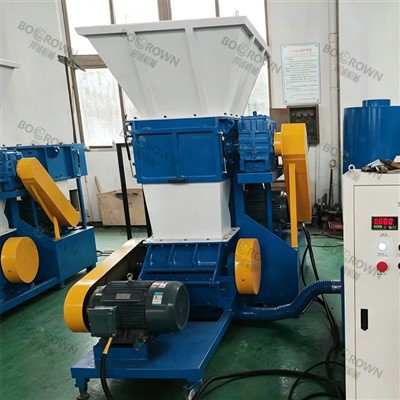
Understanding the Basics of a Twin – Screw Extruder
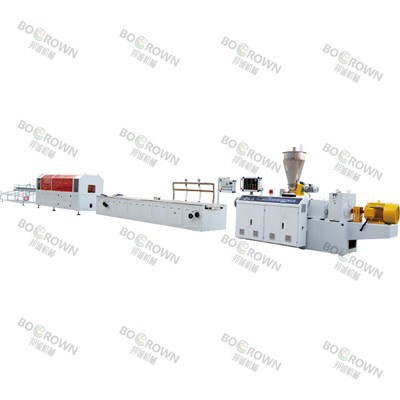
First things first, let’s quickly go over what a twin-screw extruder is. It’s a piece of equipment widely used in the plastics, food, and pharmaceutical industries. It consists of two intermeshing screws rotating in a barrel. The material gets fed into the hopper, travels through the screws, and then is pushed out of the die in a desired shape.
Key Parameters to Monitor
1. Screw Speed
The screw speed is one of the most crucial factors. You see, the right screw speed can ensure the proper mixing and conveying of the material. If the speed is too high, it might lead to over – shearing of the material, which can degrade its quality. On the other hand, if the speed is too low, it could cause poor mixing and uneven extrusion.
Most modern twin – screw extruders come with a speed control system. You can monitor the screw speed on the control panel. It’s usually displayed in revolutions per minute (RPM). Keep an eye on the set speed and the actual speed. If there’s a significant difference, it could indicate a problem with the drive system or a mechanical issue.
2. Torque
Torque is another vital parameter. It measures the force that the motor has to apply to turn the screws. A sudden increase in torque could mean that the material is too viscous, there’s a blockage in the barrel, or the screws are wearing out.
You can monitor the torque value on the control panel as well. It’s often shown as a percentage of the maximum torque the motor can handle. If the torque exceeds the normal range for an extended period, it’s time to stop the machine and investigate.
3. Temperature
Temperature control is super important in a twin – screw extruder. Different materials require different temperature profiles along the barrel. For example, in plastic extrusion, the material needs to be heated to a specific temperature to melt and flow properly.
There are usually multiple temperature sensors placed along the barrel. You should regularly check these temperature readings. If the temperature is too high, it can cause the material to degrade or even catch fire in extreme cases. If it’s too low, the material won’t melt completely, leading to poor product quality.
4. Pressure
The pressure inside the barrel is also a key indicator. It reflects the resistance that the material encounters as it moves through the extruder. An abnormal increase in pressure can be due to a clogged die, excessive material feed, or a problem with the screw design.
Pressure sensors are installed in critical areas of the extruder, such as near the die. Monitoring the pressure readings can help you detect potential issues early and prevent damage to the machine.
Monitoring Tools and Techniques
1. Control Panel
The control panel is your first line of defense. It’s where you can see all the important parameters like screw speed, torque, temperature, and pressure at a glance. Most control panels are user – friendly, with digital displays and easy – to – understand icons.
You should regularly check the control panel during the operation of the extruder. Look for any abnormal readings or warning lights. Some modern control panels even have built – in diagnostic functions that can help you identify the root cause of a problem.
2. Data Logging
Data logging is a great way to keep track of the extruder’s performance over time. You can use a data logging system to record all the important parameters at regular intervals. This data can be analyzed later to identify trends, detect potential issues, and optimize the operation of the extruder.
For example, by analyzing the temperature data over a few days, you might notice that the temperature in a particular section of the barrel is gradually increasing. This could be a sign of a problem with the heating element or insulation.
3. Visual Inspection
Don’t underestimate the power of visual inspection. Regularly look at the extruder while it’s running. Check for any signs of leakage, unusual vibrations, or noises. For example, if you hear a grinding noise, it could indicate that the screws are touching the barrel or there’s a foreign object in the machine.
Also, visually inspect the extruded product. Look for any signs of unevenness, bubbles, or discoloration. These can be clues that something is wrong with the extruder’s operation.
Troubleshooting Common Issues
1. Poor Mixing
If you notice that the extruded product has uneven color or properties, it could be due to poor mixing. Check the screw speed and design. Maybe the screw configuration isn’t suitable for the material you’re using. You might also want to adjust the feed rate to ensure a more consistent flow of material.
2. Blockages
A blockage can cause a significant increase in pressure and stop the extrusion process. If you suspect a blockage, stop the machine immediately. Check the hopper, the feed throat, and the die for any obstructions. You may need to disassemble some parts of the extruder to remove the blockage.
3. Motor Overheating
If the motor is overheating, it could be due to excessive load, poor ventilation, or a problem with the electrical system. Check the torque readings to see if the motor is being over – stressed. Make sure the cooling system for the motor is working properly. If the problem persists, it’s best to consult an electrician.
Conclusion
Monitoring the operation status of a twin – screw extruder is a crucial task that can ensure the quality of the extruded product and the longevity of the machine. By keeping an eye on key parameters like screw speed, torque, temperature, and pressure, using proper monitoring tools and techniques, and being able to troubleshoot common issues, you can keep your twin – screw extruder running smoothly.
Horizontal Plastic Crusher If you’re in the market for a new twin – screw extruder or need more advice on how to monitor and maintain your existing one, feel free to reach out. We’re always here to help you with any questions you might have. Get in touch with us to start a purchase negotiation!
References
- "Extrusion Technology for Starch – Based Foods" by Maria A. Ibanoglu
- "Plastics Extrusion Technology" edited by Steven M. Jarvela
ZJG BC Machinery Co., Ltd.
As one of the most professional twin-screw extruder manufacturers and suppliers in China, we’re featured by quality products and good price. Please rest assured to buy cost-efficient twin-screw extruder for sale here from our factory. Contact us for custom service and OEM service.
Address: No.8 Lexi Road, Leyu Town, Zhangjiagang City
E-mail: sales@bcextruder.com
WebSite: https://www.bcextruder.com/
