Hey there! I’m a supplier of silicone sealant, and you know what? One question I get a lot is, "Can I use silicone sealant on a shower stall?" Well, let’s dive right into this and find out. Silicone Sealant
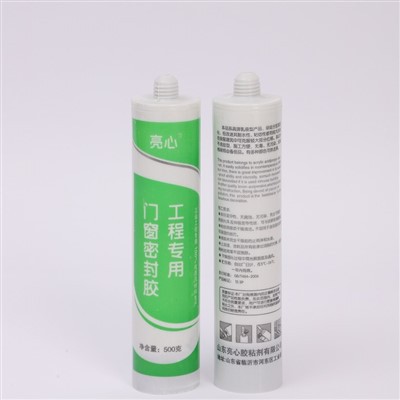
Why Consider Silicone Sealant for a Shower Stall
First off, let’s talk about why silicone sealant is a hot topic when it comes to shower stalls. You see, a shower stall is a pretty harsh environment. It’s constantly exposed to water, humidity, and varying temperatures. That’s where silicone sealant shines.
One of the biggest advantages of silicone sealant is its water resistance. It forms a tight, waterproof barrier. This means that water won’t seep through the gaps around the edges of your shower stall, like where the wall meets the floor or where the panels come together. And trust me, keeping water from getting into those hidden spaces is crucial. If water sneaks in, it can cause all sorts of problems, like mold and mildew growth, and even damage to the underlying structure.
Another great thing about silicone sealant is its flexibility. The materials in a shower stall, like ceramic tiles or fiberglass, can expand and contract a little bit due to changes in temperature and humidity. Silicone can move along with these materials without cracking or losing its seal. So, it maintains its effectiveness over time, unlike some other types of sealants that might break down under the same conditions.
Types of Silicone Sealant for Shower Stalls
Now, not all silicone sealants are created equal. There are different types, and you need to pick the right one for your shower stall.
- Acetic Cure Silicone Sealant: This type gives off a strong vinegar-like smell when it’s curing. It’s pretty affordable and has good adhesion. But here’s the catch. The acid in it can corrode certain metals, like aluminum, and some natural stones. So, if your shower stall has these materials, you might want to steer clear of acetic cure silicone.
- Neutral Cure Silicone Sealant: This is a great choice for shower stalls. It doesn’t have that strong smell, and it’s less likely to cause damage to sensitive materials. It’s a bit more expensive than acetic cure, but it’s well worth it for the peace of mind. It forms a durable, long – lasting seal that can stand up to the wet conditions in a shower.
How to Choose the Right Silicone Sealant
When you’re picking a silicone sealant for your shower stall, there are a few things to keep in mind.
- Mold and Mildew Resistance: Look for a sealant that’s specifically labeled as mold and mildew resistant. This is super important because the damp environment in a shower is a breeding ground for these pesky fungi. A good sealant will have anti – microbial properties that prevent mold and mildew from growing on it.
- Color Match: You’ll want the sealant to blend in with the rest of your shower stall. Most silicone sealants come in a variety of colors, like white, clear, and almond. Pick the one that best matches your tiles or the overall color scheme of your shower.
- Quality and Brand: Don’t just go for the cheapest option. A high – quality sealant from a reputable brand will last longer and perform better. You can ask for recommendations from friends who have done similar projects or read online reviews.
Applying Silicone Sealant to a Shower Stall
Okay, so you’ve got the right silicone sealant. Now, how do you apply it?
- Prepare the Surface: First, you need to make sure the surface where you’re going to apply the sealant is clean and dry. Use a mild detergent and a scrub brush to clean away any dirt, soap scum, or old sealant. Then, dry the area thoroughly. You can use a hairdryer on a low setting to speed up the drying process.
- Masking: Use painter’s tape to mask off the areas around where you’re going to apply the sealant. This will give you a clean, straight edge and prevent the sealant from getting on areas where you don’t want it.
- Apply the Sealant: Cut the tip of the sealant tube at a 45 – degree angle. The size of the opening will depend on the width of the gap you’re sealing. Squeeze the trigger of the caulking gun slowly and steadily to apply an even bead of sealant.
- Smooth the Sealant: Use a wet finger or a caulking tool to smooth the sealant. This will not only make it look better but also ensure a good seal. Wipe off any excess sealant with a damp cloth.
- Let it Cure: Follow the manufacturer’s instructions for curing time. This usually takes a few days. During this time, try to keep the area dry and avoid using the shower if possible.
Potential Issues and How to Solve Them
Even when you do everything right, you might run into some problems.
- Uneven Application: If you notice that the sealant is uneven, don’t panic. You can use a utility knife to trim away any excess and then re – smooth the area with a wet finger.
- Air Bubbles: Sometimes, air bubbles can get trapped in the sealant. You can use a toothpick to pop the bubbles and then smooth the area again.
- Poor Adhesion: If the sealant doesn’t seem to be sticking properly, it could be because the surface wasn’t clean or dry enough. In that case, you’ll need to remove the sealant, clean the surface again, and re – apply.
So, Can You Use Silicone Sealant on a Shower Stall?
The answer is a definite yes! Silicone sealant is a great choice for shower stalls. It offers excellent water resistance, flexibility, and can be made to look good. Just make sure you choose the right type, follow the proper application steps, and you’ll have a sealed shower stall that will last for years.

If you’re in the market for high – quality silicone sealant for your shower stall or any other project, I’m here to help. I’ve got a wide range of silicone sealants that meet all the requirements I’ve talked about. Whether you need a neutral cure sealant for a sensitive surface or an acetic cure for a more budget – friendly option, I’ve got you covered.
Nail-free Glue If you’ve got questions or you’re ready to make a purchase, just reach out. We can chat about which product is best for you and get you set up with the right silicone sealant for your needs. Let’s make your shower stall project a success!
References
- "The Home Depot Guide to Bathroom Caulking".
- "Builders’ Manual: Silicone Sealants in Wet Areas".
- "DIY Network Articles on Shower Repairs".
Shandong Liangxin Adhesives Co., Ltd.
We are one of the most professional silicone sealant manufacturers in China, featured by quality products and good service. Please rest assured to wholesale high-grade silicone sealant in stock here and get pricelist from our factory. We also accept customized orders.
Address: Industrial Park, Jiudu Sub-district, Hedong District, Linyi City, Shandong Province, China
E-mail: 15253909280@139.com
WebSite: https://www.liangxinglue.com/
