If you’ve spent any time scrolling through kitchen appliance TikTok or hanging out in cooking forums lately, you’ve probably noticed glass air fryers popping up everywhere. For years, the standard metal air fryer has been the go-to for home cooks, but these clear glass models are creating a lot of debate—and we get it: as a glass air fryer supplier, we see firsthand how many people are still weighing the pros and cons of making the switch. I’ve talked to hundreds of home cooks over the last two years, from busy parents who just want to see their chicken tenders crisp up to small business owners testing new recipes, and most of them start with the same question: is a glass air fryer actually better than a regular one? Let’s break this down, no sales fluff, just the real differences that matter for your kitchen. Glass Air Fryer
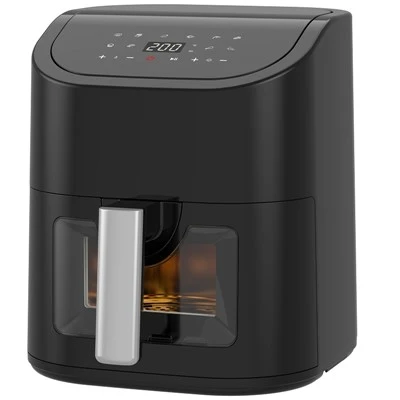
First, let’s get clear on what each of these appliances is at their core. A regular air fryer—you know, the ones with the plastic or metal basket and non-stick coated interior—works by circulating superheated air (usually around 350 to 400 degrees Fahrenheit) around food to create that crispy, fried texture without oil. That technology hasn’t changed much since they hit the market a decade ago; most still use that same metal basket design, with a heating element at the top and a fan blowing air down through the food. The glass air fryer is built on the same air circulation principle, but swaps that metal basket for a transparent borosilicate glass vessel. That single material choice changes almost everything about how the appliance works, looks, and feels to use.
Let’s start with the biggest, most obvious difference: visibility. Regular air fryers have a little window, if they have one at all, and most of the time it’s smudged by oil and grease within a few uses. Peeking through that tiny gap in the plastic or metal lid? You’re squinting at a faint glow and maybe the edge of a fry, not a clear view of how your food is doing. A glass air fryer’s entire interior is clear, so you can watch your bacon crisp up, your veggies brown, or your chicken wings get golden without opening the lid. Opening the lid mid-cook is a big no-no for regular air fryers because it drops the temperature and extends cook time, but with a glass model, you can catch if your fries need an extra minute, or if your salmon is getting too brown, without messing up the cooking process. I remember talking to a mom last month who told me she used to burn her chicken nuggets all the time because she couldn’t see them; now she pulls them out the second they’re crispy, and she says she’s cut her cook mistakes in half. That’s not a trivial difference—wasted food equals wasted time and money.
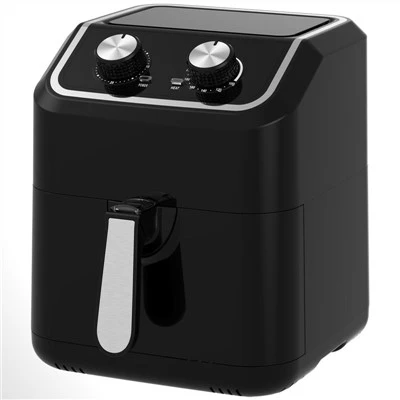
Next up, cleaning. This is the part where a lot of people hesitate about glass, so let’s be honest: regular air fryer baskets are the bane of many a cook’s existence. The non-stick coating can scratch easily, especially if you’re using metal utensils (even the silicone ones don’t always get into the tiny crevices). Grease and food bits get baked onto that non-stick surface after a few uses, and before you know it, you’re soaking the basket overnight, scrubbing with a tough sponge, and still finding a sticky spot the next day. A glass air fryer? The smooth, non-porous surface is way easier to clean. Grease doesn’t stick the same way it does to non-stick metal. Most of the time, you can just wipe it out with a paper towel right after cooking—no soaking, no scrubbing, no risking scratches that will ruin your basket’s non-stick performance over time. I’ll admit, when I first started testing glass models, I worried glass would get stained or cloudy after a while, but borosilicate glass (the kind we use) is heat-resistant and non-reactive, so it doesn’t hold onto odors or discolor like plastic or coated metal. I’ve had one of our test units in my own kitchen for 18 months, and it still looks as clear as the day I unboxed it. That’s a huge win for anyone who hates spending 20 minutes scrubbing an air fryer basket after dinner.
But wait, it’s not all upside for glass. Let’s talk about heat retention and performance, because that’s where some regular air fryer fans swear by their metal models. Traditional air fryers, with insulated metal bodies, hold heat more consistently than glass, right? Glass is a thinner material, so it can lose a little heat during the cook cycle, especially if you’re loading it up with a lot of cold food all at once. That means you might need to add 1 to 2 extra minutes to your cook time when using a glass air fryer, depending on what you’re making. We’ve tested this a lot, and for most home cooks, the difference is negligible—unless you’re making a full basket of frozen fries, where that tiny heat drop might make them a little less crispy. Wait, but here’s the thing: glass lets you adjust for that easily. If you notice your fries are taking longer, you can crank the temp a little or add a minute without opening the lid, because you can see what’s happening. With a regular air fryer, you might not realize the basket is cold until you pull it out half-cooked. Another point: regular air fryers often have higher maximum temperatures. Most glass air fryers top out at around 400 to 420 degrees Fahrenheit, while some metal models go up to 450 or even 500 degrees. That’s not a big deal for most everyday cooking—chicken, veggies, frozen foods all cook perfectly at 400—but if you’re someone who likes to make high-heat things like crispy pork belly or homemade donuts that need that extra kick of heat, you might hit a limit with glass. It’s not a dealbreaker, but it’s something to consider.
Material safety is another big topic, especially with all the talk about non-stick coatings and chemicals. Let’s get this straight: modern non-stick coatings (like PFOA-free Teflon) are safe for home use, right? The FDA has deemed them safe when used as directed, and most regular air fryer brands have phased out harmful chemicals in recent years. But some people still prefer to avoid any type of synthetic coating, especially for high-heat cooking where those coatings can break down over time and release fumes (though that only happens if you overheat the appliance, which most of us don’t do). Glass air fryers have no non-stick coating at all. The interior is just pure, food-grade borosilicate glass, which is inert, non-toxic, and doesn’t leach any chemicals into your food, even when heated to high temperatures. That’s a huge plus for parents, people with chemical sensitivities, or anyone who wants to reduce their exposure to synthetic kitchen materials. I’ve had several customers tell me they switched from regular air fryers to glass after reading about non-stick coating degradation, and they’ve noticed a difference in how their food tastes—more natural, less of that “plastic” aftertaste that some people say comes from heated non-stick. On the flip side, glass is fragile if you drop it. If you’re someone who’s clumsy with kitchen appliances, or you have kids or pets running around, a glass air fryer might be more likely to break if it’s knocked off the counter. Metal baskets are tough, scratch-resistant, and can take a little abuse, so that’s a downside to consider.
Cost is another factor that comes up a lot. At first glance, glass air fryers are usually more expensive than entry-level regular air fryers. You can pick up a basic 3-quart metal air fryer for $50 or less, while a comparable glass model is often $80 to $150. But let’s think about the long-term cost. The non-stick coating on a regular air fryer basket wears out over time—usually after 1 to 2 years of regular use, depending on how you clean it. Once that coating scratches, it can be more prone to sticking, and some people even worry about ingesting tiny bits of the coating. That means you’ll have to replace your regular air fryer every couple of years, or buy a replacement basket, which adds up. A glass air fryer, on the other hand, has a non-porous, scratch-resistant surface that will last for years, if not decades, if you take basic care of it. You don’t have to replace the basket, and you won’t have to deal with that worn-out non-stick. So while the upfront cost is higher, the long-term value is often better for people who plan to use their air fryer regularly. For people who only use their air fryer a few times a month, a basic regular model might be the more budget-friendly choice, but for anyone who cooks with theirs on a weekly basis, glass saves money in the long run.
Size and design matter too. Regular air fryers usually have a compact, round basket design that fits easily on small countertops. Glass air fryers often come in more square or rectangular designs, which can hold more food—some 5-quart glass models hold as much as a 6-quart regular air fryer, because the square shape uses space more efficiently. That’s great for families, or for people who like to cook big batches of food for meal prep. But glass air fryers are also heavier, because the borosilicate glass is denser than metal and plastic. If you have a small counter or you’re someone who likes to move your appliance around a lot, that extra weight might be a hassle. Another design point: the glass exterior of many glass air fryers is dishwasher-safe, right? The entire unit (if it’s small enough) can go in the dishwasher, while most regular air fryer baskets have to be hand-washed, because the plastic parts can warp in the dishwasher. That’s another time-saver.
Let’s talk about who each appliance is for, because there’s no one “best” air fryer—only the best one for your needs. A regular air fryer is perfect if you’re on a tight budget, you only cook occasionally, you need a super compact model for a tiny apartment, or you like to cook high-heat foods that might push a glass model’s temperature limit. It’s tough, affordable, and gets the job done for basic air fryer tasks. A glass air fryer is for you if you hate scrubbing dirty baskets, you want to see your food cook so you don’t burn it, you’re concerned about non-stick coatings and chemical exposure, you cook regularly or meal prep, and you value easy cleaning and durability. We’ve had customers who switch from regular models swear they’ll never go back, because of how much time glass saves them on cleanup, and how much less food they waste from overcooking.
I want to be clear: we’re not here to bash regular air fryers. When we started our business two years ago, we sold both types, and we learned that every cook’s needs are different. But over time, we noticed that most people who use an air fryer more than once a week end up loving glass, because of the small, daily conveniences that add up to a way better kitchen experience. If you’re still on the fence, here’s a quick test: think about the last time you used an air fryer. Did you open the lid mid-cook to check on your food? If yes, you’ll love a glass model, because you won’t have to open it. Did you dread cleaning the basket after dinner? That’s the biggest pain point regular air fryer users complain about, and glass solves that.
If you’re ready to learn more about how a glass air fryer fits into your kitchen, or you’re looking for a model that works for your family’s needs, we’d love to chat. Whether you’re a home cook just starting out, or a small business owner looking for bulk options, we can walk you through the best features for your cooking style, answer any questions you have about performance, cleaning, or safety, and help you find the right fit for your kitchen. Don’t hesitate to reach out to start the conversation—we’re here to make the switch to glass as easy as possible.
Pizza Oven References
U.S. Food and Drug Administration. (2023). Nonstick Cookware and Per- and Polyfluoro Substances (PFAS). FDA.gov.
Consumer Reports. (2022). Air Fryer Test: Top Picks for 2022. ConsumerReports.org.
Borosilicate Glass Institute. (2021). Properties and Uses of Borosilicate Glass in Kitchen Appliances. BorosilicateGlassInstitute.com.
Journal of Food Protection. (2020). Heat Resistance and Chemical Stability of Nonstick Coatings in Kitchen Appliances. Journal of Food Protection, 83(11), 1789-1795.
Guangdong Qiaokang Electrical Appliances Co., Ltd.
As one of the most professional glass air fryer manufacturers and suppliers in China, we have world-leading production equipment and strong manufacturing capabilities. Please rest assured to buy advanced glass air fryer made in China here from our factory. Customized orders are welcome.
Address: No. 18, Jinxiang Road, Sanjiao Town, Zhongshan City, Guangdong Province
E-mail: sales01@gdboling.com
WebSite: https://www.qiaokanghome.com/
