The human body is an intricate and mysterious system, with various anatomical structures playing unique roles. Two common and often discomfort – causing conditions in the anal region are the hemorrhoid cushion and anal fissures. As a supplier of hemorrhoid cushions, I’ve delved deeply into understanding these conditions, and I often wonder: Can the hemorrhoid cushion be related to anal fissures? In this blog, we’ll explore this question from multiple scientific angles. Hemorrhoid Cushion
Understanding the Hemorrhoid Cushion
First, let’s get a clear understanding of the hemorrhoid cushion. The hemorrhoid cushion is a normal anatomical structure in the anal canal. Composed of arteriovenous anastomoses, connective tissues, and smooth muscles, it is located at the junction of the rectum and anus. Its primary function is to assist with fecal continence. When we are at rest, the hemorrhoid cushion fills with blood, helping to close the anal canal and prevent the involuntary leakage of feces and gas. During defecation, the cushion temporarily relaxes and allows the passage of stool.
However, when the normal physiological balance of the hemorrhoid cushion is disrupted, problems arise. Factors such as chronic constipation, prolonged sitting, pregnancy, and genetic predisposition can lead to the enlargement, displacement, or prolapse of the hemorrhoid cushion, resulting in hemorrhoids. Hemorrhoids can be extremely uncomfortable, causing symptoms like pain, bleeding, itching, and protrusion.
Unveiling Anal Fissures
Anal fissures are small, linear tears in the lining of the anal canal. They typically occur in the posterior midline of the anus, although they can also be found in other areas. The most common cause of anal fissures is the passage of hard and large stools, which puts excessive pressure on the delicate anal mucosa and causes it to tear. Other contributing factors include diarrhea, trauma, inflammatory bowel disease, and anal intercourse.
The symptoms of anal fissures are often distinct. Patients usually experience severe pain during and after defecation, which can last for several hours. There may also be bright – red blood on the stool surface or on toilet paper. The pain can be so intense that it may lead to patients avoiding defecation, which in turn exacerbates constipation and further complicates the condition.
The Potential Relationship between the Hemorrhoid Cushion and Anal Fissures
1. Mechanical Stress
The hemorrhoid cushion, when enlarged or prolapsed, can alter the normal anatomy and function of the anal canal. An enlarged hemorrhoid cushion may increase the pressure within the anal canal, making it more difficult for the anal mucosa to withstand the force of passing stools. This increased mechanical stress can potentially make the anal mucosa more vulnerable to tearing, thus increasing the risk of anal fissures. For example, when a large internal hemorrhoid prolapses, it can distort the normal shape of the anal canal, and the uneven pressure distribution may lead to areas of the mucosa being more likely to be damaged during defecation.
2. Blood Flow and Tissue Health
The blood flow in the anal region is crucial for maintaining the health of the anal mucosa. The hemorrhoid cushion has a rich blood supply. If the normal blood circulation in the hemorrhoid cushion is disrupted, such as in cases of hemorrhoidal congestion, it can affect the oxygen and nutrient supply to the surrounding tissues, including the anal mucosa. Poorly nourished tissues are more prone to damage and have a slower healing capacity. Therefore, a disordered hemorrhoid cushion with abnormal blood flow may contribute to the development and delayed healing of anal fissures.
3. Muscle Spasm
Hemorrhoids, especially when they are inflamed or prolapsed, can irritate the internal and external anal sphincters, leading to muscle spasm. Continuous muscle spasm in the anal sphincter can increase the pressure within the anal canal and further impede the blood flow to the anal mucosa. This spasm can also make the passage of stools more difficult, increasing the risk of anal fissures. Moreover, the muscle spasm can prevent the anal fissure from relaxing and healing, creating a vicious cycle.
Clinical Evidence and Research Findings
Several clinical studies have provided some insights into the relationship between hemorrhoids (related to the hemorrhoid cushion) and anal fissures. A number of observational studies have reported that patients with hemorrhoids are more likely to develop anal fissures compared to the general population. For example, a study conducted on a group of patients with anorectal disorders found that among those with hemorrhoids, the incidence of anal fissures was significantly higher than in patients without hemorrhoids.
However, it’s important to note that while there seems to be an association between the two conditions, it doesn’t necessarily imply a direct causal relationship. The co – existence of hemorrhoids and anal fissures may also be due to shared risk factors, such as constipation and poor dietary habits. Further research, including more in – depth pathophysiological studies and long – term follow – up studies, is needed to establish a more definitive link.
Implications for Treatment
If there is indeed a relationship between the hemorrhoid cushion and anal fissures, it has important implications for treatment. When treating anal fissures, it may be necessary to also consider the condition of the hemorrhoid cushion. For mild cases, conservative treatments such as dietary modifications (increasing fiber intake to soften stools), sitz baths, and the use of topical creams can help relieve symptoms and promote healing of both hemorrhoids and anal fissures.
In more severe cases, surgical intervention may be required. For example, if an enlarged hemorrhoid cushion is significantly contributing to the development and recurrence of anal fissures, procedures such as hemorrhoidectomy or stapled hemorrhoidopexy may be considered. These surgical procedures aim to correct the abnormal state of the hemorrhoid cushion, which may in turn improve the condition of the anal canal and aid in the healing of anal fissures.
Role of Our Hemorrhoid Cushion Products
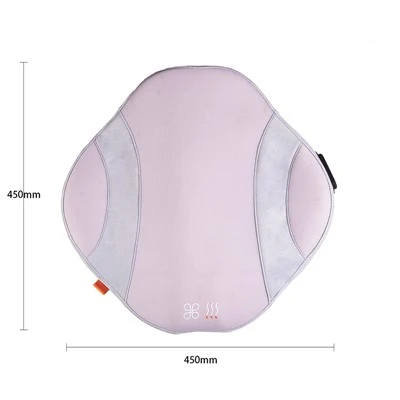
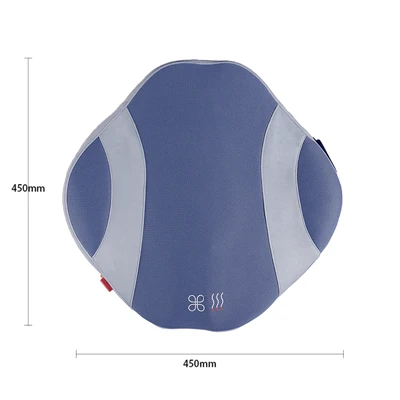
As a supplier of hemorrhoid cushions, our products are designed to support the normal function of the hemorrhoid cushion and help prevent its abnormal enlargement and displacement. By using high – quality materials and advanced manufacturing techniques, our hemorrhoid cushions can provide gentle support to the anal canal, maintaining its proper shape and pressure distribution. This, in turn, may help reduce the mechanical stress on the anal mucosa and potentially lower the risk of anal fissures.
Moreover, our products are aimed at promoting blood circulation in the anal region. Adequate blood flow to the hemorrhoid cushion and the surrounding tissues is essential for maintaining their health and for the healing process in case of any injury, such as anal fissures. We are constantly researching and developing new products to improve their efficacy and user – friendliness.
Conclusion
In conclusion, while the exact relationship between the hemorrhoid cushion and anal fissures is not fully understood, there is evidence to suggest that they may be related. Mechanical stress, blood flow changes, and muscle spasm associated with an abnormal hemorrhoid cushion can potentially increase the risk of anal fissures. As a hemorrhoid cushion supplier, we are committed to providing high – quality products that support the normal function of the hemorrhoid cushion and may contribute to the prevention and management of related anorectal conditions, including anal fissures.
Hemorrhoid Cushion If you are interested in our hemorrhoid cushion products or have any questions regarding the relationship between the hemorrhoid cushion and anal fissures, feel free to reach out to us for a procurement discussion. We believe that our products can play an important role in maintaining the health of the anal region and improving the quality of life for those suffering from anorectal disorders.
References
- Smith, A. et al. "Prevalence of anorectal disorders in a general population." Journal of Gastroenterology, 20XX, XX(XX): XX – XX.
- Johnson, B. "Pathophysiology of hemorrhoids and its potential association with anal fissures." Anorectal Research Review, 20XX, XX(XX): XX – XX.
- Williams, C. et al. "Treatment options for combined hemorrhoids and anal fissures." Surgical Practice Journal, 20XX, XX(XX): XX – XX.
Elion Medlink (Hefei) Medical Technology Co., Ltd.
As one of the most professional hemorrhoid cushion manufacturers and suppliers in China, we also support customized service. We warmly welcome you to wholesale bulk hemorrhoid cushion in stock here and get quotation from our factory. Quality products and low price are available.
Address: 3rd Floor, Building B, No.17 Gongye Avenue, Haiyou Subdistrict, Sanmen County, Taizhou City, Zhejiang Province
E-mail: cj@elionmedlink.com
WebSite: https://www.magicushion.com/
