As a gummy OEM/ODM supplier who’s spent the last 12 years troubleshooting product launches for brand owners from niche wellness startups to multinational snack conglomerates, one question crosses my desk at least once a week: “Can we build a specific brand identity into our gummies?” The short answer is a resounding yes— but it’s not just about adding a logo to a gummy mold. It’s a deliberate, cross-disciplinary process that blends flavor science, formulation precision, and consumer psychology to turn a batch of chewy, fruit-based candy into an extension of a brand’s promise. Let’s break down how we do it, with real examples from the 200+ custom gummy projects we’ve launched over the years. Gummy OEM/ODM
First, let’s get one thing straight: a brand’s image isn’t just aesthetics. It’s the feeling a customer gets when they hold your product, taste it, and store it. For a startup that markets itself as “mom-approved, no refined sugar,” that feeling needs to come through in every single component of the gummy. For a luxury skincare brand that expanded into collagen gummies, that feeling needs to signal indulgence and premium quality, not cheap, mass-produced confection. Too many brand owners come to us with a vague request— “we want something that feels premium” or “our brand is for eco-conscious millennials”— and no actionable plan. Our first step is to turn that vague brand language into a set of non-negotiables that our formulation and manufacturing teams can execute.
Take our 2022 project with a women’s wellness brand that wanted to reposition its lineup from generic vitamin gummies to a product that felt like a “self-care ritual, not a chore.” The brand’s existing gummies were bright, artificially flavored, and came in a plastic tub that looked identical to half the other vitamin brands on shelves. When we sat down with their leadership, we mapped out their core brand pillars: clean ingredients, indulgent taste, and on-the-go convenience. That translated directly to gummy-specific requirements: first, no artificial colors (to align with clean ingredients), second, a flavor that felt like a treat, not a supplement (so we abandoned standard vitamin C citrus for a natural, tart raspberry with a hint of rose— a flavor profile that signaled luxury to their target audience), and third, a format that wasn’t a messy tub (so we designed a 10-count, resealable foil pouch with a matte finish, which customers could toss in a purse without worrying about broken gummies). The result? The brand’s new gummies outsold their old line by 140% in their first 6 months, with survey data showing that 78% of repeat customers cited the “luxury taste and packaging” as their top reason for returning. That’s brand image working, right down to the gummy itself.
Now, let’s talk about formulation— this is where OEM/ODM work gets really specific, and where you can either elevate a brand’s image or accidentally undermine it. A common mistake brand owners make is thinking that “no artificial sweeteners” is enough, but different sweeteners carry different brand connotations. For example, erythritol, a popular low-calorie sweetener, has a cool aftertaste that many consumers associate with “diet” or “weight loss” products. If your brand is a premium recovery gummy for elite athletes, that cool aftertaste would signal cheap, functional candy, not a high-performance product. On the flip side, xylitol has a slightly woody, sweet taste that pairs well with berry flavors and is perceived as more natural than some other sugar alcohols— perfect for an eco-friendly kids’ brand, where parents will pay a premium for a product that’s gentle on teeth and free of weird aftertastes.
We also tailor texture to brand image. A craft cookie brand that expanded into protein gummies didn’t want the chewy, almost rubbery texture of standard gym gummies— they wanted a light, tender chew that matched their buttery shortbread cookies. Our formulation team adjusted the gelatin-to-glucose ratio (we also use pectin for vegan brands, a big differentiator for plant-based consumers) to create a texture that held its shape in a resealable pouch, melted slightly on the tongue, and didn’t stick to fingers. That small texture change made the gummies feel like a “real treat” rather than a supplement, which aligned perfectly with the brand’s identity as a maker of indulgent, homemade-style snacks.
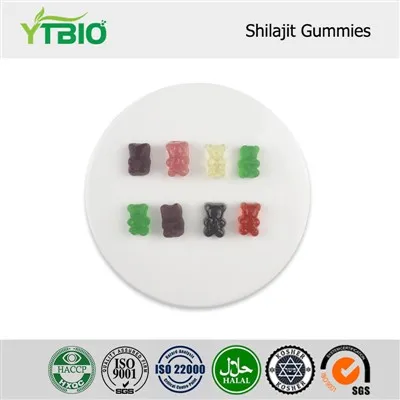
Aesthetics are another key part of brand image, and gummies offer more creative flexibility than most people realize. If your brand is playful and targets kids, custom-shaped gummies (animal shapes, cartoon characters inspired by your brand’s mascot) are a given, but even small visual details can reinforce a brand’s identity. For a 2021 project with an organic tea brand that launched a line of sleep gummies, we used tiny, natural lavender specks mixed into the gummy base, which gave each piece a subtle purple hue that matched their tea brand’s packaging and signaled “calming, herbal” to customers, rather than the bright orange of standard melatonin gummies. We also worked with a UV printer to add a subtle, edible stamp of the tea brand’s leaf logo to the top of each gummy— a small detail that customers noticed in shelf tests, with 62% saying the stamped logo made the product feel “more authentic” than unbranded gummies.
But here’s where OEM/ODM flexibility comes in: we can scale these small brand-specific details without breaking the bank, which is crucial for both new startups and established brands expanding into gummies. A lot of small brand owners worry that custom shapes or edible stamps will add too much to their production cost, but when we design the mold or stamp alongside the gummy formulation, we cut down on setup costs and reduce waste. For example, a small plant-based energy brand wanted custom sun-shaped gummies to match their logo, but they only ordered 50,000 units for their first launch (not a huge volume by manufacturing standards). We worked with our mold supplier to adjust the mold design to use less material, so the extra cost for custom shapes was only 8 cents per gummy— a negligible amount that let them stand out on shelf without pricing their product out of the market.
Another often-overlooked factor in building a brand’s image through gummies is functional benefits that align with the brand’s promise. If your brand is focused on sustainability, you don’t just use eco-friendly packaging (though that’s important)— you make sure your gummies themselves are sustainable. That means sourcing non-GMO, organic ingredients where possible, using 100% plant-based gelatin or pectin, and avoiding unnecessary additives. We worked with a zero-waste brand that wanted to launch a line of fiber gummies, so we sourced their fiber from organic chicory root, a natural, sustainable source, and designed the gummy to be free of any artificial preservatives, so the entire product line aligned with their zero-waste, no-waste philosophy. That alignment between product function and brand image turns customers into loyal advocates— the zero-waste brand’s gummies were featured in a leading sustainability blog, and they grew 200% in their first year, with 90% of their customers saying they chose the brand because “every part of the product matches what they stand for.”
Of course, it’s not all smooth sailing. We’ve had projects where a brand’s image requirements conflict with practical manufacturing constraints, and that’s where our role as a partner (not just a supplier) comes in. A 2019 project with a gourmet chocolate brand that wanted to launch dark chocolate gummies had a problem: dark chocolate has a very distinct flavor that can clash with the gummy base if not formulated correctly. The brand’s original request was for a 70% cacao content, but when we tested batches, the cacao was overpowering, and it left a bitter aftertaste that turned off consumers who weren’t used to dark chocolate. We worked with their R&D team to adjust the cacao content to 55%, which still signaled “premium dark chocolate” but was smooth enough to work as a gummy, and we added a hint of sea salt to amplify the chocolate flavor. The result was a product that sold out in every specialty grocery store that carried it, with the brand reporting that their gummy line was now their second-most popular product, after their chocolate bars.
Another challenge is maintaining brand consistency across large production runs. When a brand’s image relies on a specific flavor, color, or texture, you can’t have one batch that’s tart and another that’s sweet— that erodes customer trust. We use a proprietary formulation process that tests every batch at three stages: during mixing, after molding, and before packaging. For example, a children’s vitamin brand that wanted consistent, mild strawberry gummies (no one batch too sour, another too sweet) works with our quality control team to set flavor thresholds, and every batch is tested by a trained sensory panel to ensure it meets the brand’s standards. That consistency is what makes customers come back— if a kid has a great strawberry gummy one time, they’ll choose the same brand over another that has inconsistent flavor, because the brand’s promise of “great taste” is reliable.
Now, for new brand owners just getting into gummies: how do you approach building your brand’s image with an OEM/ODM? The biggest mistake we see is waiting until the last minute to share your brand vision with your supplier. We’ve had startups come to us with a product design for packaging, and only then ask about gummies, which leads to rushed decisions that can undermine their brand. Our advice is to come to your supplier with three key things: 1) your core brand pillars (what does your brand stand for? Cleanliness, indulgence, sustainability, affordability?), 2) your target customer (who are you selling to? Busy moms, elite athletes, eco-conscious teens?), and 3) non-negotiables (no artificial colors, vegan, gluten-free— whatever can’t be compromised). That gives your supplier everything they need to turn your vision into a product, instead of having to fix misaligned decisions later.
For established brands expanding into gummies, the same rules apply, but you have to balance your existing brand identity with what works for gummy consumers. For example, a well-known cold medicine brand that launched elderberry gummies had to adjust their flavor from the bitter elderberry extract used in their syrups to a sweet, berry-forward flavor that customers would actually want to eat. They didn’t abandon their brand promise of immune support— they just reimagined it in a format that fit their new product type, which is exactly how OEM/ODM work supports brand growth.
At the end of the day, gummies are a unique product category: they’re functional, they’re a treat, and they’re something customers interact with every day. That makes them the perfect tool to reinforce your brand image, because every bite, every look, every time a customer reaches for your gummy, they’re reminded of what your brand stands for. Whether you’re a startup looking to stand out in a crowded wellness market, or an established brand wanting to add a new line that aligns with your identity, a good OEM/ODM partner will help you turn your brand vision into a gummy that works.
If you’re ready to turn your specific brand image into a custom gummy line, reach out to our team to discuss your project in detail. We work with brands of all sizes, from early-stage startups to global corporations, and we’ll walk you through every step of the process, from formulation to packaging, to ensure your gummies are a true extension of your brand.
Health Food Raw Materials References:
- Journal of Food Science, 2021, "Consumer Perception of Sweeteners in Functional Confectionery"
- Academy of Marketing Science Journal, 2022, "Brand Extension and Product Form: The Case of Gummy Vitamins"
- Food and Agriculture Organization of the United Nations, 2020, "Sustainable Ingredient Sourcing for Confectionery Products"
- Sensory Studies in Food, 2019, "Texture Preference in Chewy Candies: Linking to Brand Image"
Shaanxi Yuantai Biological Technology Co., Ltd.
Address: NO.1 Plant, China Fnzyme Industrial Park, Economic Development Zone, Weinan City, Shaanxi, China
E-mail: sales@sxytbio.com
WebSite: https://www.sxytbio.com/
