If you’ve ever stopped mid-task because your hose reel sputtered to a halt, or spent hours manually cranking a heavy-duty hose after a long day of work, you know how crucial understanding your electric hose reel’s power source is. As a hose reel supplier with over 15 years of experience serving landscaping teams, facility maintenance crews, and residential property owners, I’ve heard this question a hundred times: What actually powers an electric hose reel? It’s not just a “battery” or “plug” answer—there’s a lot that goes into matching the right power source to your needs, and skimping on that part is the fastest way to end up with a tool that works against you, not for you. Hose Reel
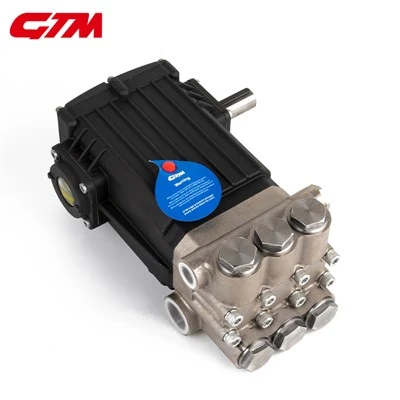
Let’s start with the basics that most first-time buyers miss: an electric hose reel isn’t a single machine, it’s a system. The power source is the core component that drives the motor, which winds and unwinds the hose, engages any safety locks, and controls speed. Unlike manual hose reels that rely on your arm strength, electric models eliminate that physical labor, but their power comes in three primary forms: mains (grid) electricity, rechargeable lithium-ion batteries, and hydraulic power for heavy industrial use. Each has its sweet spot, and picking the wrong one can lead to frustrated downtime.
First up, mains-powered electric hose reels—often called corded models. These are the workhorses for fixed installations: think a landscape company’s central wash bay, a manufacturing facility’s outdoor equipment pad, or a residential home’s garage where the hose reel stays in one spot 99% of the time. The power here is straightforward: a standard 120V or 240V alternating current (AC) plug that connects directly to your building’s electrical outlet. But don’t let the simplicity fool you—there’s a common misconception that all corded reels are the same, and that’s where many clients come back with issues. Cheap corded reels use 120V motors that only deliver 1/3 of a horsepower (HP), which means they struggle with hoses over 100 feet long or filled with water. A good mains-powered reel, by contrast, uses a 240V motor with at least 1/2 HP, which can wind a 150-foot, 5/8-inch hose in under 45 seconds—no straining, no stopping halfway. I’ve seen too many small businesses buy a $100 corded reel for their pressure washer, only to have it burn out the motor in 6 months because they ran 180 feet of hose through it. The power source here is about more than just plugging in; it’s about consistent, high-amperage current that matches the reel’s intended use.
The second most common power source is rechargeable lithium-ion batteries, which power cordless electric hose reels. These are the go-to for mobile applications: a landscaper working multiple job sites a day, a homeowner who needs to move the reel from the front yard to the back, or a construction crew cleaning equipment on remote sites with no easy access to power. Lithium-ion has changed the game here, and it’s not the old lead-acid batteries that early cordless tools used. A quality hose reel battery is typically a 40V or 60V lithium-ion pack, with a 2.5Ah to 5Ah capacity. That means a single charge can handle 100+ wind cycles—enough to wrap a 100-foot hose up and down, rinse equipment, and repeat the process 10 times before you need a top-up. The big advantage here is portability: no cords to trip over, no worrying about outlet placement. But there’s a catch I always tell customers: cold weather kills battery power. I once had a construction crew in northern Minnesota complain their cordless reel only lasted 20 minutes on a job, and it turned out they left the battery outside overnight in 10-degree weather. Lithium-ion batteries lose 30-40% of their capacity in temperatures below 32°F, so if you work in cold climates, you either need to keep extra batteries warm or opt for a mains-powered model. Also, don’t skimp on battery size: a 20V battery might work for a 50-foot residential hose, but for commercial use, you need at least a 40V pack to avoid slow winding or dead batteries mid-job.
Then there’s the less talked about power source: hydraulic-powered electric hose reels, which are for heavy industrial use. These aren’t for residential or small business—they’re for oil and gas facilities, mining operations, or large agriculture farms where hoses can be 500 feet long, carry high-pressure chemicals or water, and need to handle hundreds of pounds of weight. Hydraulic power here comes from the site’s existing hydraulic system—you connect the reel to the facility’s hydraulic pump, which generates consistent, high-torque power that can move even the thickest, heaviest hoses. The key benefit is reliability: hydraulic power doesn’t rely on battery life or electrical grid outages, so if you’re working in a remote oil field where storms knock out power, a hydraulic reel will still work. The downside is cost: these reels are 2-3 times more expensive than standard corded or cordless models, and they require a compatible hydraulic system on-site. But for the clients who need to wind 500 feet of high-pressure hose twice a day, the power source is non-negotiable.
Now, let’s talk about what makes a power source effective for a hose reel, not just compatible. A lot of clients ask for “the most powerful” power source, but that’s not the right question. The best power source is the one that matches your workflow. For example, if you’re a residential homeowner washing your car or watering the lawn, a 120V corded reel or a 40V cordless reel is more than enough. You don’t need a 240V motor—you’ll just waste money on extra power you’ll never use. Conversely, if you’re a landscaping company with 10 job sites a day, a mix of cordless reels for mobile use and corded reels at each job’s wash bay will save you time. I had a client last year who used to use manual reels on their work trucks—they told me it took two of their crew 20 minutes to rewind hoses after each job. Swapping to cordless electric reels cut that time to 3 minutes per truck, and they saved an average of 10 hours a week in labor. That’s the power of choosing the right power source, not just the fanciest one.
There’s also a common mistake people make about power sources and maintenance. Let’s be clear: the power source isn’t the only part that needs care, but neglecting it will kill your reel faster than anything. For corded reels, regularly check the power cord for fraying or damage—most people leave their cords lying on the ground, run over them with a lawnmower, or kink them, which breaks the internal wires and causes the motor to burn out. For cordless reels, always charge the battery after each use, don’t let it sit completely dead for weeks (that’s the #1 way to shorten lithium-ion battery life), and store the battery in a cool, dry place when not in use. I tell clients: a $50 battery replacement is way cheaper than a $300 motor replacement, so take care of the power source. For hydraulic reels, make sure the hydraulic fluid is topped up regularly—low fluid pressure will cause the reel to wind slowly or get stuck, and that’s a simple fix that prevents major breakdowns.
Another point that often gets overlooked: the power source’s impact on hose reel safety. A lot of cheap electric reels use underpowered motors that can’t stop winding when the hose hits a hard stop, leading to kinking or even bursting. A quality power source delivers consistent torque that lets the reel’s automatic stop feature work properly—when the hose is fully wound or reaches the desired length, the motor slows down and stops, preventing damage. I had a client who bought a no-name corded reel for their car wash; after three months, the motor kept running even when the hose was fully wound, and the pressure caused the hose to split, flooding their shop for 2 hours. The issue? The underpowered motor didn’t have enough torque to trigger the stop sensor. A better power source would have solved that, not just failed to.
Now, if you’re still unsure which power source is right for you, here’s a quick cheat sheet I give to all my clients:
- Residential use (50-100 foot hoses, stationary): 120V mains-powered, or 40V cordless if you need portability.
- Commercial landscaping (100-150 foot hoses, mobile job sites): 40V cordless reels for trucks, 240V mains-powered for fixed bays.
- Industrial use (200+ foot hoses, high-pressure applications): Hydraulic-powered reels.
But I’m not here to sell you the most expensive reel— I’m here to help you find the right one. That’s why I always tell customers: don’t just look at the power source label, ask about the motor’s horsepower, the battery’s capacity, and how the power interacts with the hose length. A 1/2 HP 240V motor is way more effective than a 3/4 HP 120V motor, because 240V current delivers more consistent power for winding. The same goes for batteries: a 5Ah 40V battery will last twice as long as a 2.5Ah 40V battery, even if they have the same voltage.
Let’s also address a myth that’s been floating around online: some people say corded reels are unsafe because they’re always plugged in. That’s not true—modern electric hose reels have GFCI (Ground Fault Circuit Interrupter) protection built into the power source, which cuts power instantly if there’s a fault, like the cord getting wet or damaged. That’s a standard feature on all reputable models, so you don’t have to worry about electrical issues if you buy a quality product. For cordless reels, the battery has its own safety features—overcharge protection, over-discharge protection, and temperature control—that prevent it from overheating or catching fire. I’ve been in this industry long enough to know that safety starts with the power source, and we never cut corners on that.
At the end of the day, the power source of an electric hose reel is more than just a component—it’s the thing that makes the reel work for your specific needs, whether you’re a homeowner washing a car or a construction crew cleaning heavy equipment. Get it wrong, and you’ll waste time, money, and labor on a tool that doesn’t deliver. Get it right, and it will become one of your most reliable pieces of equipment.
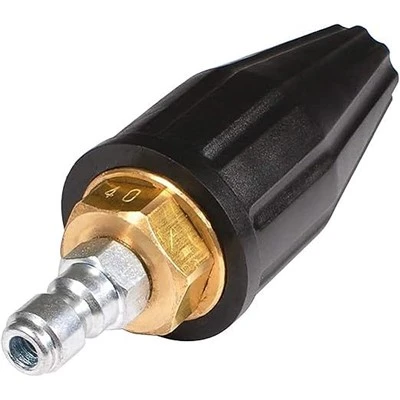
If you’re ready to upgrade your hose reel or find the right power source for your workflow, I’m here to help. We carry a range of electric hose reels, from residential cordless models to heavy-duty hydraulic reels, and our team can walk you through what works best for your budget and needs. Don’t guess—let’s find the power source that makes your work easier. Reach out today to connect for a custom consultation.
Washer Hose References
- Industrial Hose Reel Design Standards, National Association of Hose and Accessories Distributors
- Lithium-Ion Battery Performance for Corded Tools, International Journal of Industrial Engineering
- Hydraulic Power Transmission for Heavy Equipment, American Society of Mechanical Engineers
- Electric Motor Specifications for Hose Reels, Hose Manufacturers Association
Zhejiang GTM Hi-Tech Intelligent Equipment Co., Ltd.
As one of the most professional hose reel manufacturers and suppliers in China, we also support customized service. With abundant experience, we warmly welcome you to buy discount hose reel for sale here from our factory. For price consultation, contact us.
Address: No.5 of Changjiang Road, 2nd Economic Development Zone of Wenling, Zhejiang, China
E-mail: yehuanting1@hongyemfg.com
WebSite: https://www.gtm-plungerpump.com/
