Hey everyone, and welcome to my little corner of the internet where I chat all things kids’ wear—stuff that’s actually useful, not just the fancy stuff you see in mall windows. Today’s topic is one I get asked all the time by parents and other small shop owners: “Are there kids’ wear made from organic cotton?” Kids’ Wear
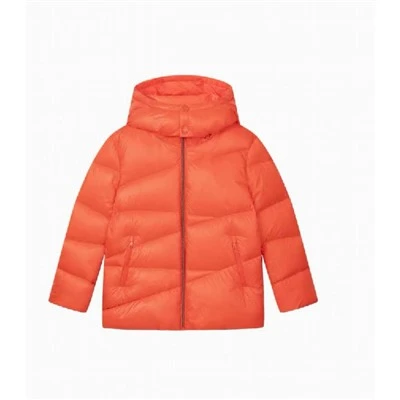
First off, let me cut to the chase: YES, there totally are. But if you’ve ever dug into this, you’ve probably noticed it’s not as straightforward as grabbing a pack of t-shirts off a shelf. I’ve been in this kids’ wear game for over 10 years now, and I’ve had customers beg for organic options since Year 2. I used to brush it off because I thought it was too pricey or a niche thing only for crunchy granola types. Then my own kid—who was 4 at the time—broke out in a crazy rash after a day at a birthday party where he wore a random hand-me-down shirt from a thrift store. Turned out it had that funky synthetic dye, and his skin just could NOT handle it. That’s when I decided to actually do the deep dive, not just read a marketing blurb.
So let’s break down what “organic cotton” even means, because a lot of brands will slap that label on there just to make you pay more, and that’s garbage. Regular cotton uses TONS of pesticides—like, I’m talking 25% of the world’s insecticides are for regular cotton, according to the USDA. Those chemicals don’t just stay on the farm; they get into the air, the water, and then onto the cotton fibers that go into clothing. Kids’ skin is way thinner and more sensitive than adults’, right? So all that residue is basically a little irritant waiting to happen. Organic cotton, on the other hand, is grown without any synthetic pesticides, fertilizers, or GMO seeds. It’s rotated with other crops (like corn or beans) to keep the soil healthy, and farmers use natural stuff like compost or ladybugs to keep pests away. That means no weird chemical residue on the fabric, which is a huge win for little ones.
Now, why isn’t every kids’ wear brand making this shift? Let’s be real—organic cotton is a bit pricier. The farming method is more labor-intensive, so the raw material costs more. But here’s the thing: when you buy organic kids’ clothes, they actually last longer. The fibers are stronger, they don’t pill as bad after a dozen washes, and they feel way softer on tiny skin. I’ve had parents tell me their kids outgrow regular cotton shirts in a month because they get holes or the fabric gets scratchy, but their organic ones go from older sibling to younger sibling without a problem. That’s a win for your wallet in the long run, too.
I should also mention that there’s a difference between “organic cotton” and “organic certified cotton.” A lot of brands will use small amounts of organic cotton mixed with regular, but if it’s not third-party certified, you can’t trust that it’s actually organic. The main certifications are GOTS (Global Organic Textile Standard) and OEKO-TEX. GOTS is stricter—they check every step from farm to sewing floor to make sure no toxic stuff is used, even in the dyes and finishes. OEKO-TEX is more about removing harmful chemicals, not just the cotton itself. For kids’ wear, I always recommend going with GOTS-certified if you can, because that means the whole product is safe.
A lot of parents ask me, “Is organic cotton only for summer clothes?” Nope! I make everything from organic cotton onesies for newborns (super soft, no scratchy tags) to organic cotton fleeces for winter. The fabric is breathable, so it’s not sweaty in summer, and it’s cozy without being bulky in winter. I even have organic cotton underwear—my customers swear by it because it doesn’t cause diaper rash, even for little ones with sensitive tushies.
Wait, but what about the environmental side? I’m not just in this for the sales— I care about the planet too. Regular cotton uses a ton of water, like 2,700 liters for one t-shirt, which is enough for a person to drink for 2.5 years. Organic cotton uses way less water, like 91% less, because it doesn’t need all that irrigation for the pesticide-heavy crops. And since it’s grown without GMOs, that means less impact on bees and other pollinators, which are basically the most important little guys on the planet. When we started carrying organic kids’ wear 6 years ago, I noticed a lot of my customers didn’t just love it for their kids’ skin—they loved that they were reducing their family’s carbon footprint, even in a small way.
I’ve had some pushback over the years, though. Some people say organic cotton is “too expensive” and that regular cotton is “good enough.” I get it—parenting is already pricey, and every dollar counts. But when you compare the cost per wear, organic cotton is actually cheaper. A regular t-shirt might be $5, but it falls apart after 5 washes. An organic one might be $12, but it lasts 30 washes. That’s 4 cents per wear vs. $1 per wear—big difference. Also, there are more affordable options now than there used to be. Brands are getting better at scaling organic cotton production, so prices are coming down. I make sure to keep my organic line priced reasonably, because I don’t think safe clothes for kids should be a luxury.
Another thing I hear: “My kid hates soft clothes, but organic is too soft.” Wait, what? If it’s made right, organic cotton is actually softer than regular cotton because it’s not processed with harsh chemicals that make the fibers stiff. Maybe if you buy cheap organic that’s not processed well, but my stuff is pre-washed a couple times before it even hits the shelf, so it’s like a cloud. My own kid wears my organic stuff every day, and he’s the pickiest about fabric—he’ll take off a shirt if it’s even a little scratchy.
Let me also talk about common myths. Myth #1: “Organic cotton is only white or beige.” No way! We have organic cotton in every color—navy, pink, green, even bright prints. The dyes we use are certified non-toxic, so they don’t fade or stain easily, and they don’t leach onto your kid’s skin. Myth #2: “It’s all plain, no fun designs.” Nope! I work with local artists to make fun prints—dinosaurs, unicorns, space ships—all on organic cotton. Kids love them, and parents love that there’s no weird chemical smell when they open the package.
Now, I know a lot of you are probably thinking, “Okay, that sounds great, but where do I get it?” If you’re a parent looking for organic kids’ wear, check for that GOTS or OEKO-TEX label. Avoid brands that just say “natural” or “eco-friendly” with no certification. If you’re a small shop or a school doing uniform runs (wait, a lot of schools are switching to organic uniforms now because of skin issues—smart move!), hit me up. I’ve been in this business long enough that I have a network of trusted organic cotton manufacturers, and I can work with you on bulk orders.
Wait, why am I qualified to talk about this? Like I said, I’ve been in kids’ wear for 10 years. I started my business in my garage, sewing onesies for my neighbors, and it grew from there. I test every fabric myself before I add it to my line—last year, I brought a sample of a new organic cotton jacket home, and my kid wore it for a week straight to make sure it didn’t get stinky or cause any irritation. If he didn’t like it, it didn’t make the cut. That’s why my customers trust me— I’m not just selling stuff to make money, I’m selling stuff I’d put on my own kid.
I also want to shout out the farmers I work with. They’re small family farms in places like Turkey and India, and they’ve been growing organic cotton for generations. They tell me they used to have health problems from the pesticides they used for regular cotton, but now that they switch to organic, they’re way healthier, and their soil is better. It’s not just good for kids—it’s good for the people growing the fabric too. That’s something a lot of brands don’t talk about—ethical production, not just the end product.
So, to circle back to the original question: Are there kids’ wear made from organic cotton? ABSOLUTELY. You just have to know what to look for, avoid greenwashing, and find a brand that cares about quality, safety, and the planet, not just making a quick buck.
If you’re a parent who’s been hesitant to try organic because of price, or if you’re a shop owner looking to add organic lines to your inventory, hit me up. I don’t do fancy sales pitches—just real talk about fabrics, prices, and what’s actually safe for kids. I can send you samples, give you bulk pricing, or answer any random questions you have (like “does organic cotton stain easier?”—no, not if you use the right detergent, and it comes out way better in the wash because there’s no harsh dye).
At the end of the day, kids’ clothes shouldn’t be something you stress about. You want them to be comfortable, safe, and something that lasts, right? Organic cotton checks all those boxes. Yeah, it’s not perfect—no product is—but it’s way better than the alternative. I’ve seen too many kids with rashes or allergies that could’ve been avoided if their parents had switched to organic, and that’s why I keep pushing this line.
Thanks for hanging out with me today. If you have questions, drop them in the comments, or reach out directly. And if you’re shopping for organic kids’ wear, don’t forget to look for those certifications. Let’s make clothes for kids that are as good as they are.
Men’s Wear References: USDA Economic Research Service, Textile Exchange, Global Organic Textile Standard (GOTS) Official Guidelines, American Academy of Pediatrics (AAP) Report on Pediatric Skin Sensitivities.
Tengzhou Jufulong Garment Co., Ltd.
We are one of the most professional kids’ wear manufacturers and suppliers in China, also support customized service. With abundant experience, we warmly welcome you to wholesale high quality kids’ wear made in China here from our factory. Contact us for free sample.
Address: Zongzhuang Village, Jisuo Town, Tengzhou City, Zaozhuang City, Shandong Province (West of Jisuo Middle School)
E-mail: 17606320177@163.com
WebSite: https://www.jufulongwear.com/
